
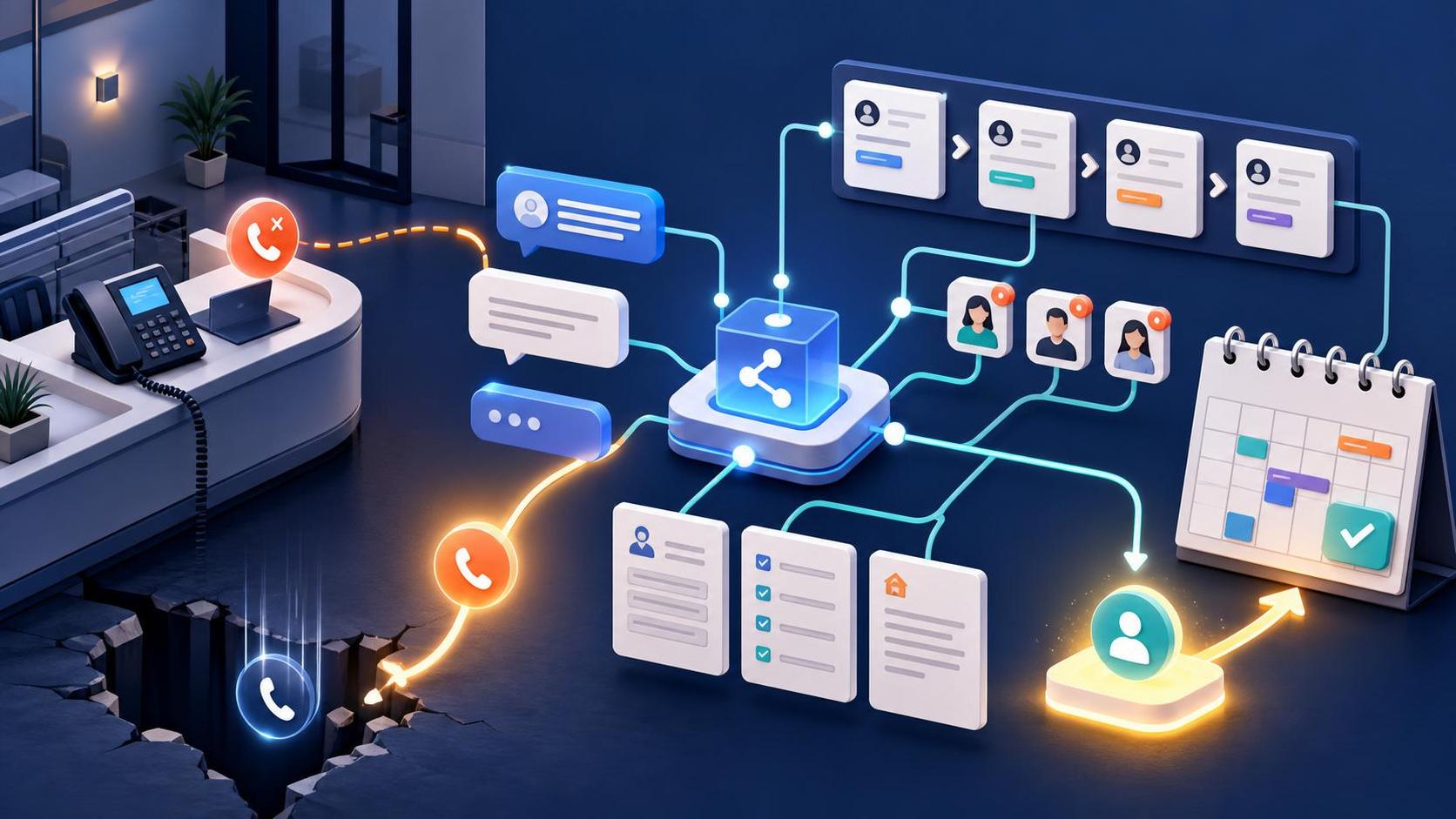
When a prospect calls your business and no one answers, the opportunity does not wait politely in line. In many cases, that caller is already looking for help now, comparing options, or calling the next provider on their list.
For small and medium businesses, missed calls are not just a phone issue. They are a revenue leak. A call can be missed because staff are busy, the office is closed, the team is with another customer, or no one sees the voicemail until hours later. By then, the prospect may have moved on.
Missed call text-back automation helps close that gap. It sends an immediate SMS after an unanswered inbound call so the caller knows they were heard, has a way to respond, and can take the next step before the lead goes cold.
Introduction to Missed Call Text Back
Missed call text back is a simple automation: when your business misses an inbound call, the system automatically sends a text message to the caller.
The goal is not to replace your staff or turn every interaction into a bot conversation. The goal is to acknowledge the caller immediately, keep the conversation alive, and create a reliable path to follow-up.
A good missed call text-back system can:
- Confirm that the caller reached the right business
- Invite them to reply with what they need
- Offer a booking link or next step
- Create or update a lead record in your CRM
- Notify your team when human follow-up is needed
For businesses that depend on inbound calls, this is often one of the fastest ways to improve lead response without adding more manual workload.
The Problem
Most businesses miss more calls than they realize.
The missed call may happen during a busy period, while a technician is on a job, when the front desk is helping another customer, or after hours. The problem is that callers often do not wait. They may leave no voicemail, abandon the inquiry, or contact a competitor.
This creates an invisible gap between marketing effort and revenue. You may be paying for ads, referrals, local search, website traffic, or direct mail, only to lose the lead at the moment they try to contact you.
Missed calls are especially costly because they often represent high-intent prospects. Someone who picks up the phone is usually closer to taking action than someone casually browsing a website.
Why This Happens
Missed calls are usually not caused by carelessness. They are a normal result of how small businesses operate.
Common reasons include:
- Staff are serving existing customers
- Calls come in after hours or during lunch breaks
- Multiple people call at the same time
- The owner or manager is in appointments or on job sites
- Voicemails and call logs are reviewed too late
Manual follow-up depends on availability, memory, and timing. Even a strong team can miss opportunities if the process relies on someone noticing the missed call and responding quickly.
Automation solves the first-response problem by making sure every missed caller receives an immediate acknowledgment.
Business Impact
Slow or inconsistent call follow-up affects more than customer service. It can reduce revenue across the business.
Missed calls can lead to:
- Lost appointments or estimates
- Lower close rates from delayed responses
- Wasted marketing spend
- Poor customer experience
- Inaccurate lead tracking
The biggest issue is that many of these losses are hard to see. If a caller does not leave a voicemail or book online, the business may never know what opportunity was missed.
Even recovering a small number of missed call leads each month can justify the system if the average customer value is meaningful. For example, a home service company, clinic, law office, automotive shop, salon, or local service provider may only need to recover a few appointments to see measurable impact.
Customer Psychology
Modern buyers expect fast, convenient responses. They are used to confirmation messages, delivery updates, chat replies, and online booking. When they call a business and hear nothing back, they may assume the business is unavailable, disorganized, or too busy.
That does not always reflect reality, but perception matters.
A quick text changes the experience. Instead of silence, the caller receives a clear signal:
“We saw your call. You reached the right place. Here is how we can help.”
Speed matters because the caller’s attention is highest immediately after they contact you. The longer the delay, the more likely they are to move on, forget the reason for the call, or choose another provider.
Real World Example
Consider a local HVAC company that receives calls throughout the day from homeowners needing repairs, maintenance, and estimates.
During peak season, the office team is often already on the phone. Technicians cannot always answer while driving or working. After hours, calls may go to voicemail.
Before automation, missed callers had to leave a message and wait. Some did. Many did not.
With missed call text back, the workflow becomes simple:
- A homeowner calls and the call is missed.
- The system immediately sends a text: “Sorry we missed your call. This is ABC Heating & Cooling. Reply here and we’ll help you get scheduled.”
- If the caller replies, the conversation is captured.
- A CRM record is created or updated.
- The team receives a notification or task.
- The caller can be routed to booking, dispatch, or a callback.
The business still needs people to deliver service and close the loop. But the lead no longer disappears just because the first call was missed.
Common Mistakes
Missed call automation works best when it feels helpful and connected to the customer’s intent. It performs poorly when it feels generic, spammy, or disconnected from the rest of the business.
Common mistakes include:
- Sending a vague message that does not identify the business
- Waiting too long before sending the first text
- Failing to alert staff when someone replies
- Not connecting the lead to a CRM or follow-up process
- Sending too many automated messages without clear value
Another mistake is treating missed call text back as a complete sales process. It is not. It is the first layer of a stronger lead response system.
Solutions
Better processes
Start by understanding your current missed call volume. Review call logs for the last few weeks and look for patterns.
Ask:
- How many calls are missed during business hours?
- How many happen after hours?
- How quickly does your team respond?
- How many missed callers become booked appointments?
- Where does follow-up break down?
This gives you a baseline before adding automation. It also helps you decide whether the first priority is staffing, routing, scheduling, automation, or CRM cleanup.
Better systems
A missed call text-back system becomes more valuable when it connects to the tools your team already uses.
At minimum, the system should track the missed call, send the SMS, and allow the caller to reply. A stronger setup connects that activity to your CRM, calendar, pipeline, and team notifications.
Useful system connections include:
- Lead source tracking
- Customer or prospect records
- Appointment booking links
- Internal task assignments
- Follow-up reminders
This turns a missed call from a loose event into a trackable lead.
SMS Automation
The standard missed call automation workflow is straightforward:
- An inbound call is missed.
- The phone system or automation platform detects the missed call.
- An SMS is sent immediately.
- The caller can reply with their request.
- The lead is captured in the CRM.
- Staff receive a notification or task.
- Booking or follow-up begins.
The first text should be short, clear, and helpful. It should include the business name, acknowledge the missed call, and give the caller a simple next step.
For example: “Hi, this is Green Valley Dental. Sorry we missed your call. Reply here with what you need, or use this link to request an appointment.”
The message does not need to be clever. It needs to be timely, recognizable, and easy to respond to.
The best starting point is usually to automate only the first response to missed calls. Once that works reliably, you can add booking links, CRM updates, segmented follow-up, and reporting.
AI
AI can improve missed call workflows, but it should be added carefully.
Useful AI applications include:
- Classifying caller intent from replies
- Answering common questions
- Collecting basic information
- Routing urgent requests
- Summarizing conversations for staff
AI should support the response process, not create confusion for the customer. For many businesses, the best AI use case is helping staff prioritize and respond faster rather than replacing human judgment entirely.
AI Opportunity
AI can help separate routine inquiries from urgent ones. For example, it may identify whether a caller is asking about pricing, scheduling, emergency service, account support, or a general question.
From there, the system can trigger the right workflow:
- Send a booking link
- Notify a manager
- Assign a CRM task
- Request missing details
- Escalate to a human
The key is to keep the customer experience simple. If the caller needs a human, the system should make that handoff easy.
Quick Wins
If you want to reduce lost leads quickly, start with a small implementation instead of trying to automate everything at once.
A practical starting plan:
- Track missed calls for one to two weeks.
- Write one friendly missed call text message.
- Set the text to send immediately after a missed inbound call.
- Notify staff when the caller replies.
- Review weekly results and adjust.
Book a Free Revenue Recovery Consultation
Also make sure your message frequency is reasonable. Missed call text back should feel like helpful follow-up, not aggressive marketing.
SMS rules, consent requirements, opt-out language, and messaging regulations can vary by location and use case. Review applicable requirements with your provider or legal advisor before launching automated text workflows.
Frequently Asked Questions
What is missed call text back?
Missed call text back is an automated SMS sent after your business misses an inbound call. It acknowledges the caller, identifies your business, and gives them a simple way to reply, book, or request follow-up.
How fast should the text be sent?
The first message should usually be sent immediately after the missed call. The value of the system is speed. A delayed message may still help, but it does not solve the core response-time problem.
Does missed call text back replace calling the customer back?
No. It improves the first response, but it does not eliminate the need for human follow-up. If the caller has a complex request, urgent need, or sales opportunity, your team should still step in.
What should the message include?
A good message should include your business name, a brief acknowledgment, a helpful tone, and a clear next step. You can invite the caller to reply, request details, or book an appointment.
Can missed call text back connect to a CRM?
Yes. A stronger workflow can create or update CRM records, assign tasks, track lead source, trigger reminders, and move the lead into the right pipeline stage.
Is AI required?
No. You can get value from a simple automated text-back workflow. AI becomes useful later when you want to classify replies, route inquiries, summarize conversations, or trigger more advanced workflows.
Key Takeaways
Missed call text-back automation helps businesses recover leads that might otherwise disappear.
The main value is immediate acknowledgment. When a caller receives a fast, helpful text, they are more likely to stay engaged and take the next step.
The best systems combine:
- Fast SMS response
- Clear customer instructions
- CRM lead capture
- Staff notifications
- Measured follow-up performance
Missed call text back is not a complete sales process, a substitute for quality service, or permission to over-message customers. It is a practical first layer in a stronger lead response system.
To estimate the opportunity, track missed calls, reply rates, booked appointments, close rates, and average customer value. This helps you understand whether missed calls are a minor inconvenience or a meaningful revenue leak.
Next Steps
If inbound calls are valuable to your business, start by measuring the gap.
Review your call logs and answer three questions:
- How many calls are missed each week?
- How many missed callers receive a response within minutes?
- How many missed calls turn into booked appointments or closed revenue?
From there, build in stages:
- Automate the immediate missed call text.
- Connect replies to your CRM and staff notifications.
- Add booking links or structured follow-up.
- Segment workflows by inquiry type.
- Use AI only where it improves speed, routing, or clarity.
This maturity path keeps the system practical and avoids overcomplicating the first version.
Book a Free Revenue Recovery Consultation
If you want help identifying where revenue is leaking from your business, book a free consultation.